sikkim tour packages
Explore the best places to visit in Sikkim with this complete travel guide covering Gangtok, Pelling, Zero Point Sikkim, and more. Learn about the best time to visit Sikkim, detailed itineraries, Sikkim tour packages, and practical travel tips. Discover the rich cuisines of Sikkim and authentic Sikkim food while navigating the region easily with a clear Sikkim map. Perfect for first-time travelers, this guide helps you plan a smooth, safe, and memorable Himalayan trip.
Introduction to Sikkim
Tucked away in the eastern Himalayas, Sikkim offers one of India’s most peaceful and scenic travel experiences. It shares borders with Nepal, Bhutan, and China, which gives it a unique cultural blend. Despite being one of the smallest Indian states, Sikkim attracts travelers with its clean cities, snow-covered peaks, Buddhist monasteries, and untouched nature.
Tourism in Sikkim focuses on sustainability. The state banned plastic bags early and promotes eco-friendly travel. That’s one reason why travelers looking for calm and authenticity prefer it over crowded hill stations.
If you are planning your first trip, this guide covers everything—places to visit in Sikkim, cuisines of Sikkim, best time to visit Sikkim, Sikkim tour packages, and more.
Sikkim Map & Geography Overview
Understanding the Sikkim map helps you plan your itinerary better. The state divides into four main regions:
East Sikkim – Includes Gangtok, Tsomgo Lake, Nathula Pass
North Sikkim – Known for Zero Point, Lachung, Lachen
South Sikkim – Ravangla, Namchi, peaceful retreats
West Sikkim – Pelling, historical monasteries, mountain views
The capital city, Gangtok, sits in East Sikkim and acts as the base for most trips.
Best Time to Visit Sikkim
Choosing the right season makes a big difference in your experience.
Spring (March to May)
Best for sightseeing and flowers
Rhododendrons bloom across valleys
Pleasant weather (10°C to 20°C)
Summer (June to September)
Moderate rainfall
Landslides can affect travel
Not ideal for North Sikkim
Autumn (October to November)
Clear skies and mountain views
Perfect for photography
Peak tourist season
Winter (December to February)
Snowfall in North Sikkim
Ideal for snow lovers
Temperatures drop below freezing in high-altitude areas
Best time to visit Sikkim: March–May and October–November.
Top Places to Visit in Sikkim (Detailed Guide)
Below are the most important destinations. Each place includes accurate, practical insights to help you plan better.
1. Darjeeling – The Queen of Hills in the Eastern Himalayas
The town gained global recognition for its tea industry. Darjeeling tea is often called the “Champagne of Teas” due to its unique flavor and aroma. Visitors can explore tea estates to understand the production process and enjoy fresh brews.
One of the top attractions is the Darjeeling Himalayan Railway, also known as the Toy Train. It offers a scenic ride through mountains, tunnels, and local markets. Other popular spots include Tiger Hill for sunrise views and Batasia Loop for panoramic landscapes.
Darjeeling blends colonial charm with local culture. Monasteries, markets, and cafes add to its character. The town also serves as a gateway to nearby destinations in the Eastern Himalayas.
2. Gangtok – The Heart of Sikkim
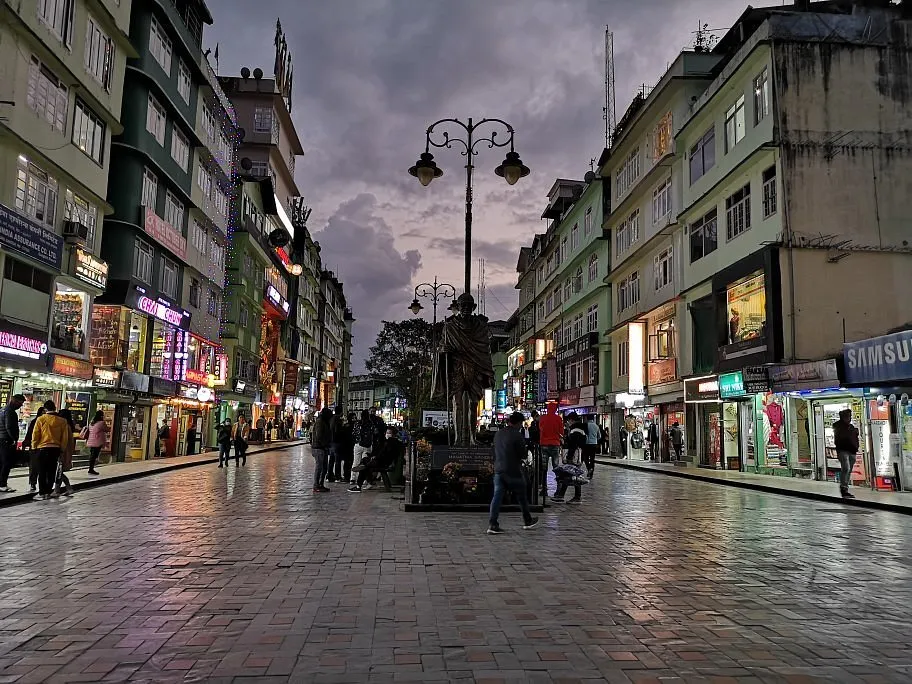 Gangtok blends natural beauty with urban comfort. It offers clean streets, organized traffic, and stunning views of Kanchenjunga, the third-highest mountain in the world.
Start your visit at MG Marg, a pedestrian-only street filled with cafes, local shops, and restaurants. It reflects the modern side of Sikkim while keeping its cultural roots intact. For spiritual experiences, visit Rumtek Monastery, one of the most important monasteries in the region.
Adventure seekers can explore nearby attractions like Tsomgo Lake and Nathula Pass. Gangtok also acts as the starting point for North Sikkim tours.
The city remains safe and well-connected. It suits solo travelers, families, and couples alike. If you are booking Sikkim tour packages, most itineraries begin here.
3. Tsomgo Lake – A High-Altitude Beauty
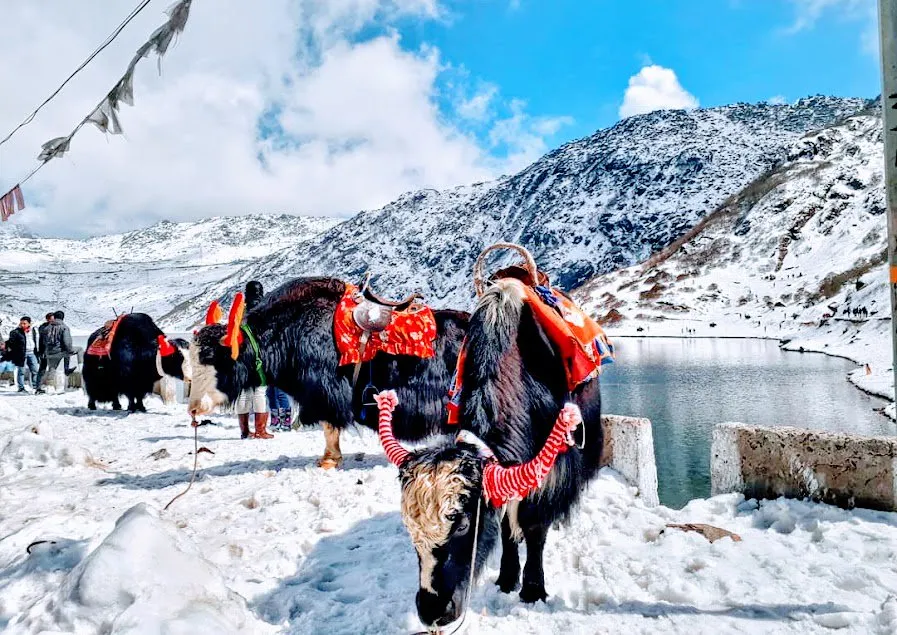 Located about 40 km from Gangtok, Tsomgo Lake sits at an altitude of 3,753 meters. Locals also call it Changu Lake.
The lake changes colors with seasons—frozen in winter and deep blue in summer. Snow-covered mountains surround it, creating a postcard-like view. Yak rides remain a popular activity here.
You need a permit to visit Tsomgo Lake since it lies close to the international border. Travel operators or hotels in Gangtok usually arrange it.
The road journey to the lake offers equally stunning views, but it can get slippery during winter. Plan your visit early in the day to avoid weather disruptions.
4. Nathula Pass – Historic Indo-China Border
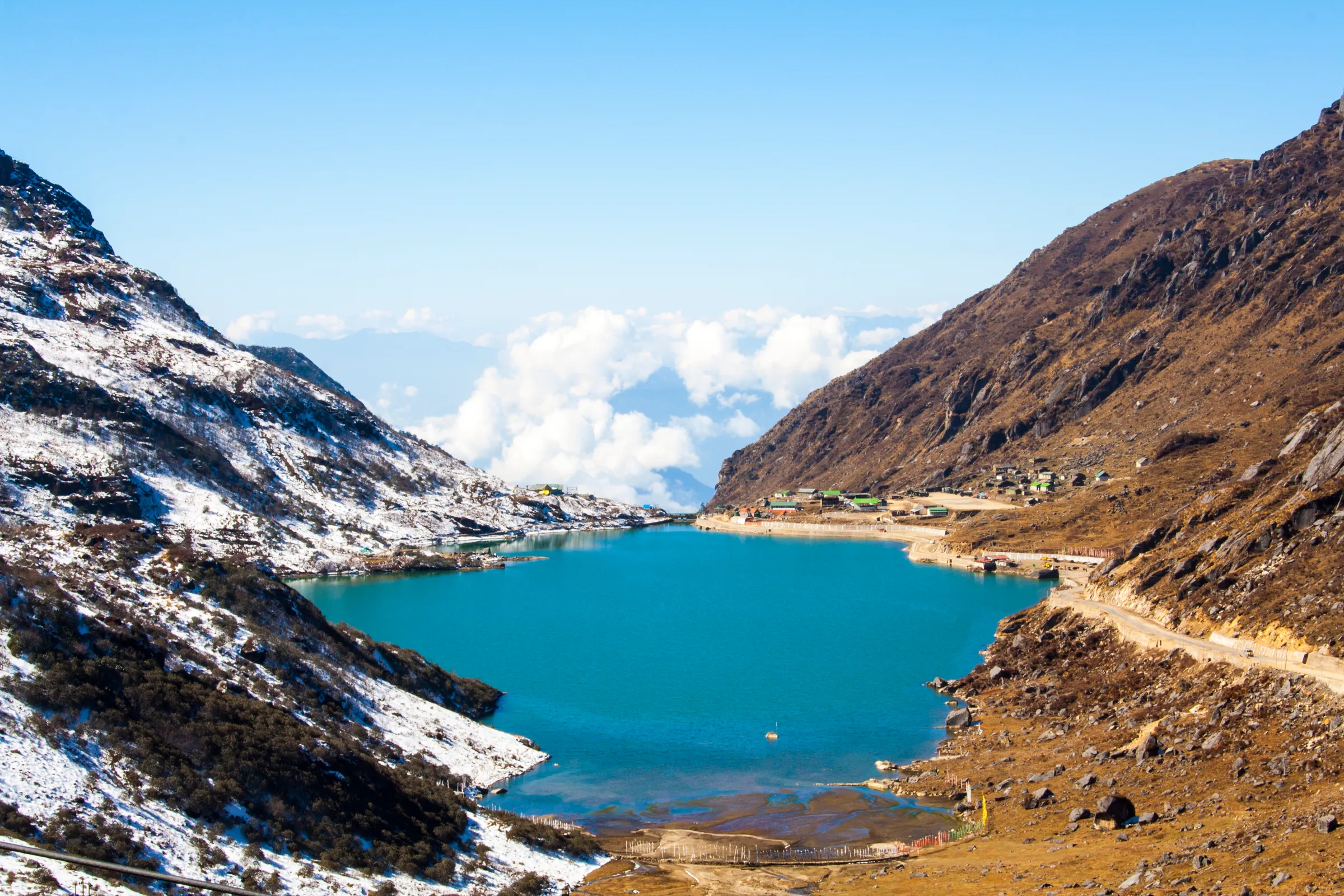 Nathula Pass stands at 4,310 meters and connects India with Tibet. It once formed part of the ancient Silk Route.
The Indian Army manages the area, and visitors need special permits. Due to its altitude, oxygen levels remain low, so travelers should move slowly and avoid exertion.
The pass offers a rare chance to see the Indo-China border up close. Snow covers the region during winter, while summer offers clearer views.
Nathula often features in premium Sikkim tour packages due to its strategic and historical importance.
5. Zero Point Sikkim – Snow Paradise
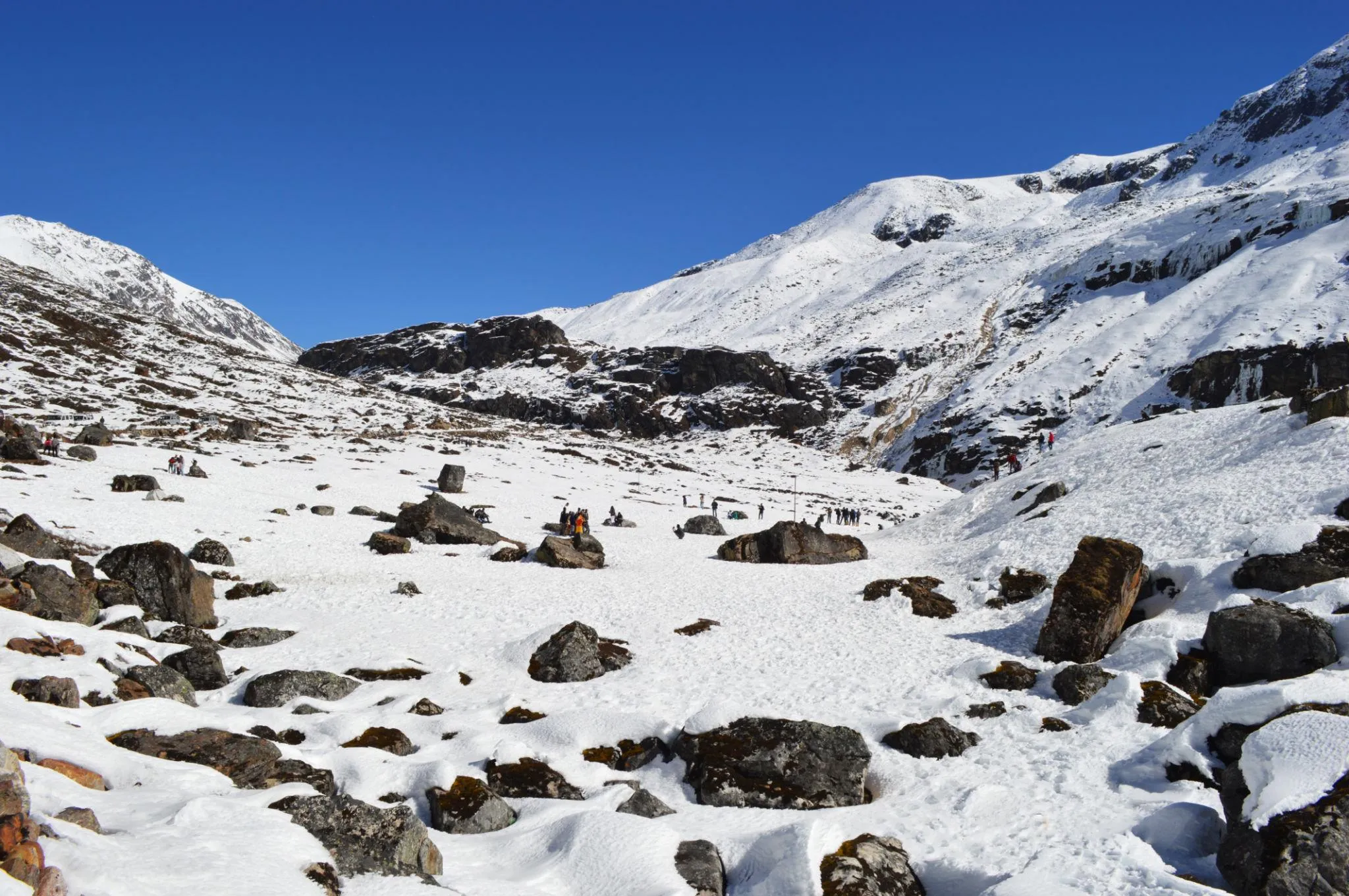
Zero Point Sikkim, officially known as Yumesamdong, lies at an altitude of about 4,664 meters. It marks the last accessible civilian point near the China border.
The area remains covered in snow for most of the year. Even in summer, you can experience snow patches. No vegetation grows here due to extreme weather conditions.
Travelers usually visit Zero Point from Lachung as part of North Sikkim tours. The journey itself passes through waterfalls, valleys, and rugged landscapes.
Carry warm clothing, gloves, and essential medicines. The high altitude can cause breathing issues for some visitors.
If you want a true Himalayan snow experience, this place should top your list of places to visit in Sikkim.
6. Yumthang Valley – Valley of Flowers
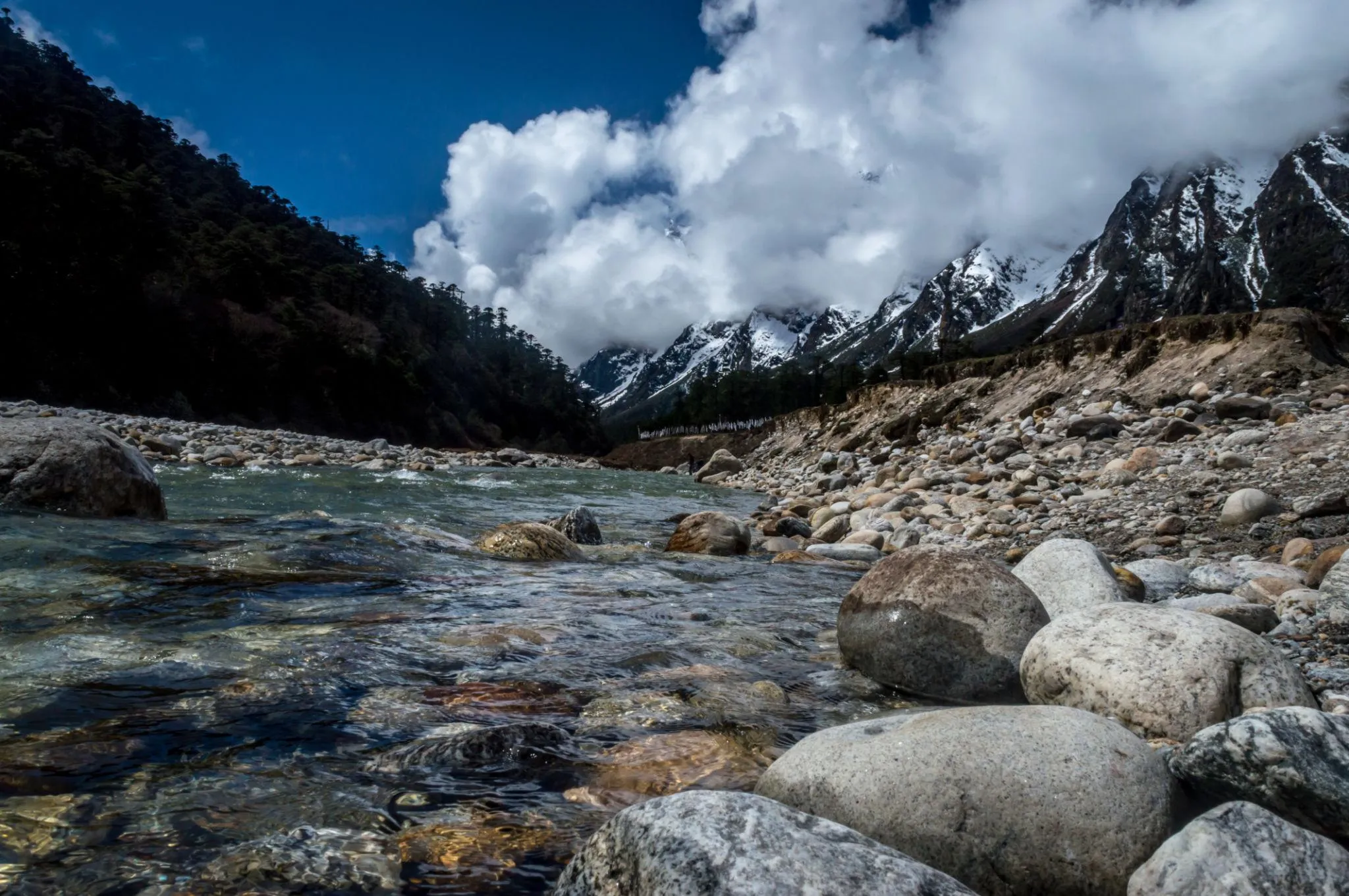 Located in North Sikkim, Yumthang Valley sits at 3,564 meters. It attracts visitors with its natural beauty and seasonal flowers.
During spring, the valley fills with blooming rhododendrons, creating vibrant landscapes. The Teesta River flows through the valley, adding to its charm.
Hot springs in Yumthang offer a relaxing experience, especially in cold weather. Many travelers combine Yumthang Valley with Zero Point in a single itinerary.
The valley remains closed during heavy snowfall in winter. Plan your visit between March and June for the best experience.
7. Pelling – Best Views of Kanchenjunga
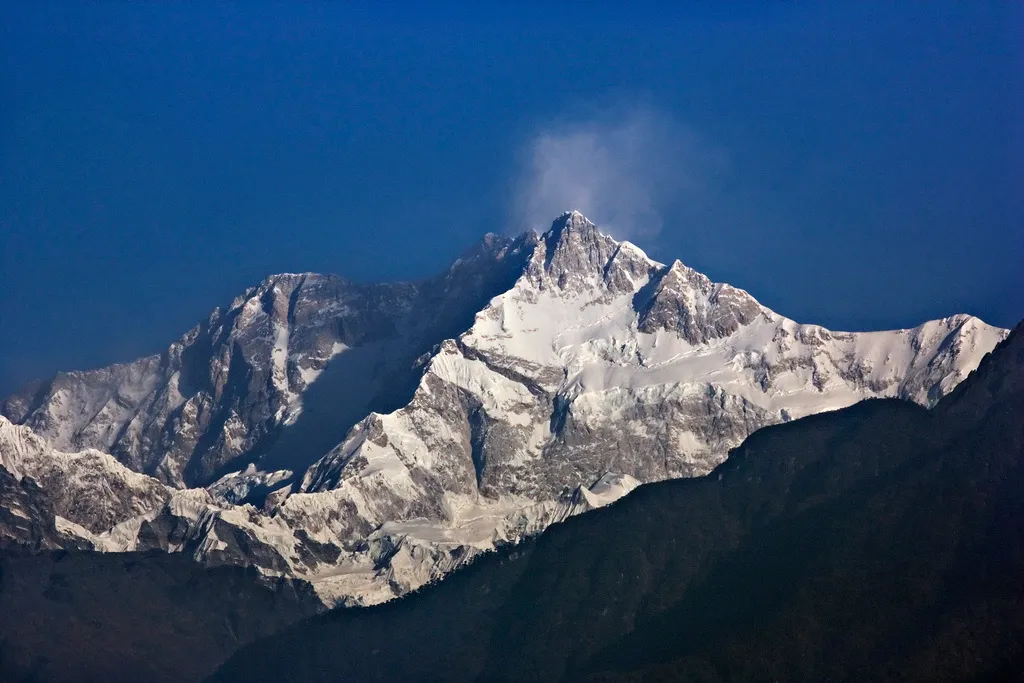 Pelling ranks among the most scenic towns in Sikkim. It offers uninterrupted views of Kanchenjunga.
The town remains quieter than Gangtok, making it ideal for travelers who prefer peace. Visit Pemayangtse Monastery to explore Sikkim’s spiritual heritage.
Adventure lovers can walk across the Sky Walk near the Chenrezig statue, one of India’s highest glass skywalks. Nearby waterfalls and ruins add more depth to the experience.
Pelling works well for couples and photographers looking for serene landscapes.
8. Ravangla – Peaceful Himalayan Retreat
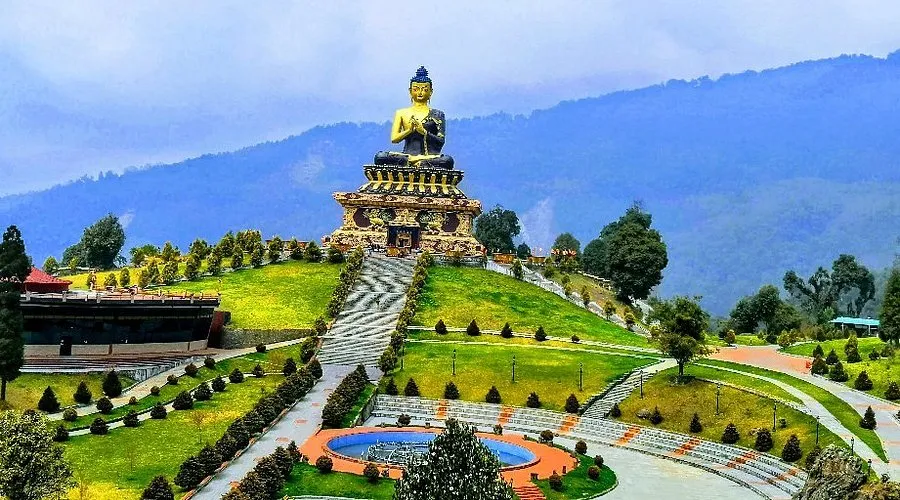 Ravangla offers a quiet escape in South Sikkim. It sits between Gangtok and Pelling, making it a convenient stop in most travel routes.
The main attraction here is Buddha Park, which features a 130-foot statue of Buddha surrounded by landscaped gardens and mountain views. The site remains clean, well-maintained, and peaceful.
Ravangla also serves as a base for short treks and birdwatching. The surrounding forests host several Himalayan bird species, making it ideal for nature lovers.
Unlike busy tourist hubs, Ravangla moves at a slower pace. Travelers who want silence, fresh air, and scenic views will appreciate this destination. It fits well into relaxed Sikkim tour packages.
9. Namchi – Cultural & Spiritual Hub
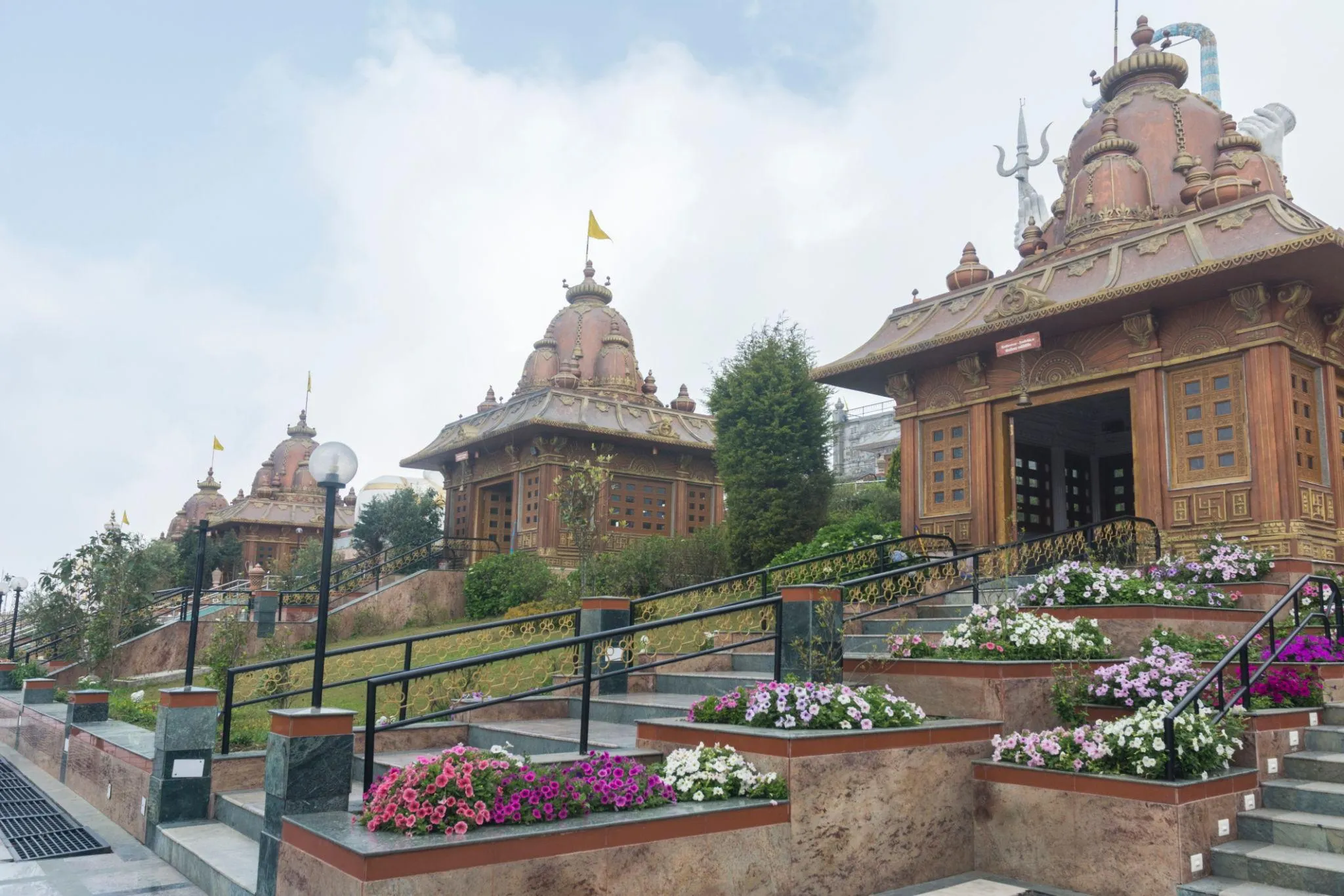 Namchi stands as the cultural center of South Sikkim. The town offers a mix of religious landmarks and organized tourism infrastructure.
Visit Char Dham Namchi, where replicas of major Indian temples and a massive Shiva statue attract visitors year-round. The site gives a simplified spiritual experience without long-distance travel across India.
Another important spot is Samdruptse Hill, known for its large statue of Guru Padmasambhava. The hill offers panoramic views of the surrounding valleys.
Namchi remains less crowded than Gangtok but still provides good accommodation options. It suits families and travelers interested in culture and spirituality.
10. Lachung – Gateway to North Sikkim
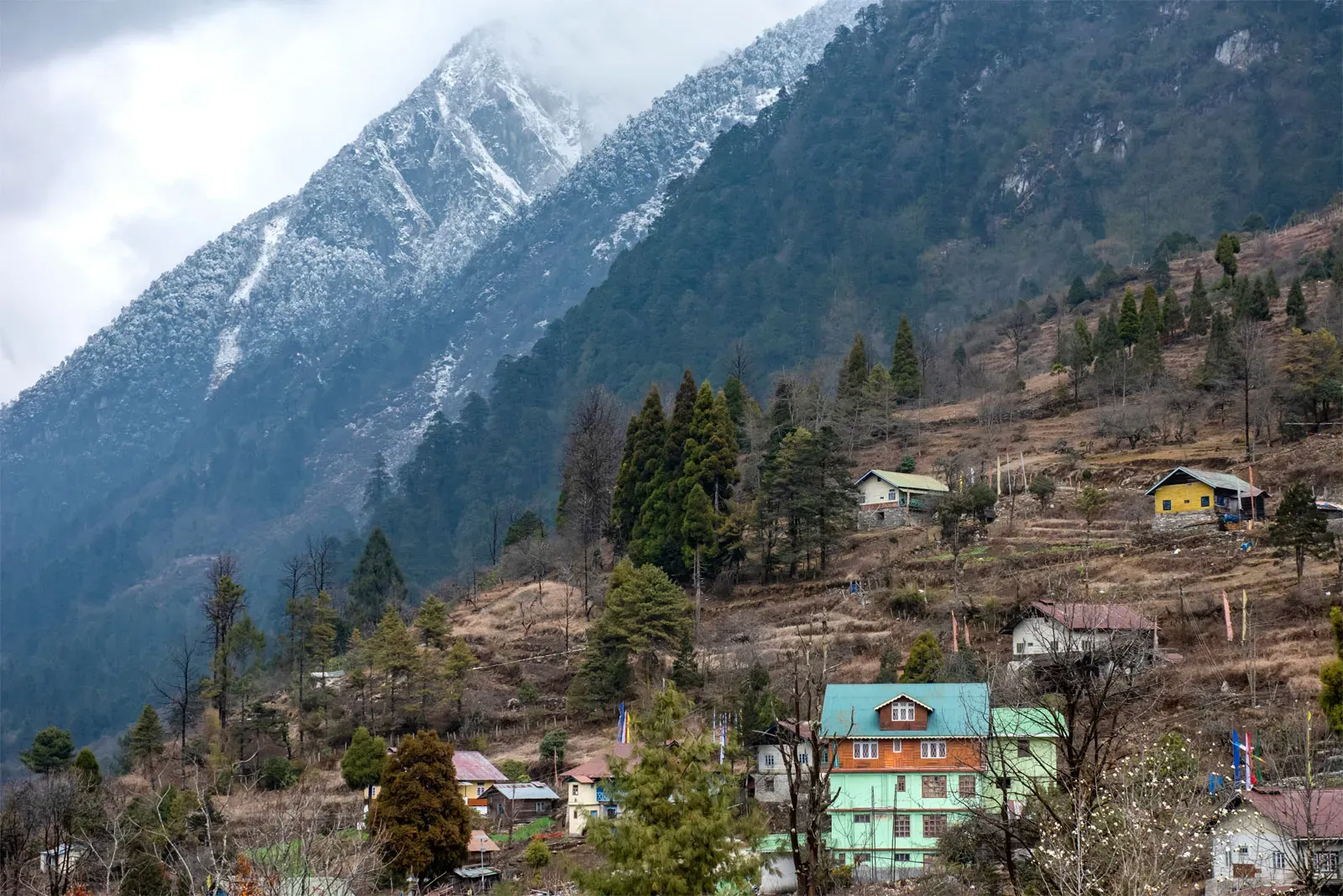 Lachung plays a key role in North Sikkim travel routes. Located at around 2,700 meters, it acts as the base for visiting Yumthang Valley and Zero Point Sikkim.
The village offers a simple yet authentic Himalayan experience. Wooden houses, monasteries, and flowing rivers define its landscape. The Lachung River runs through the village, adding to its natural charm.
Accommodation here remains basic compared to Gangtok, but most Sikkim tour packages include comfortable stays with meals. Mobile connectivity can be limited, so plan accordingly.
Lachung suits travelers who want to experience raw mountain life without heavy commercialization.
11. Lachen – Base for Gurudongmar Lake
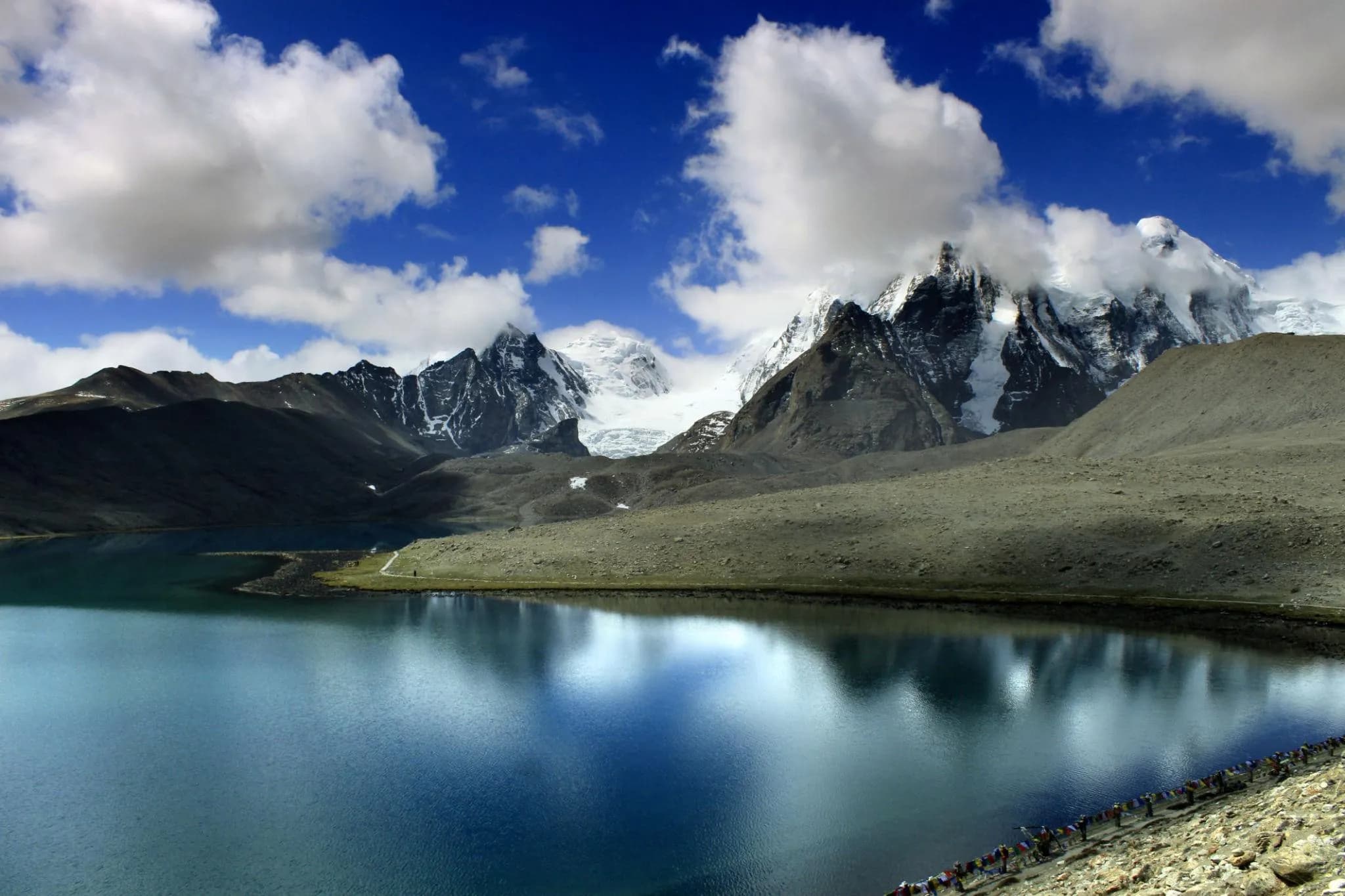
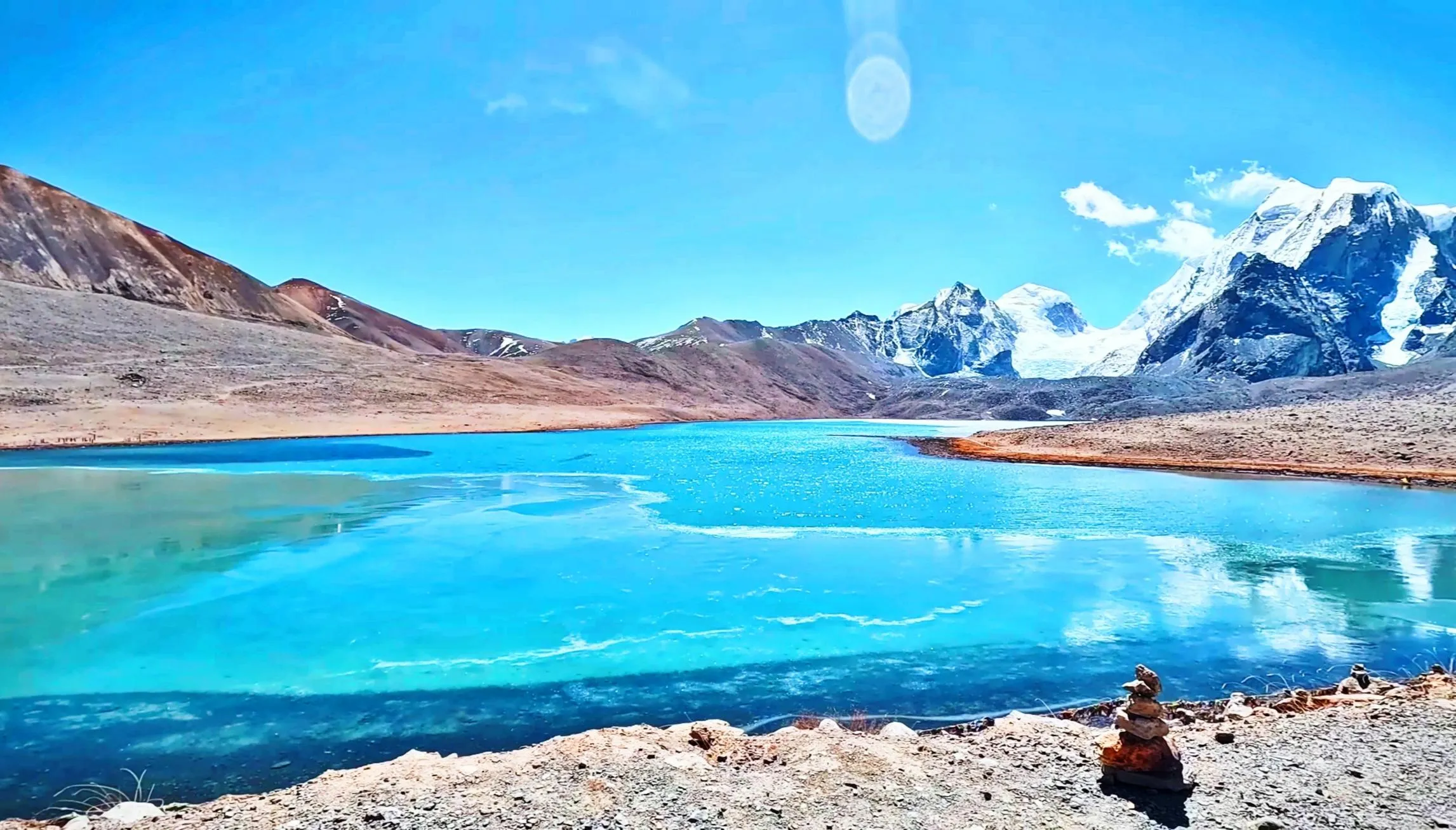 Lachen serves as the starting point for visiting Gurudongmar Lake, one of the highest lakes in the world.
Situated at around 2,750 meters, Lachen remains quieter than Lachung. It offers a peaceful environment with minimal tourist activity.
The journey from Lachen to Gurudongmar Lake involves high-altitude travel, so visitors should stay hydrated and avoid rushing. The lake holds religious significance for both Buddhists and Sikhs.
Due to its remote location, facilities remain limited. Still, the natural beauty and spiritual atmosphere make it worth visiting.
12. Zuluk – Offbeat Silk Route Destination
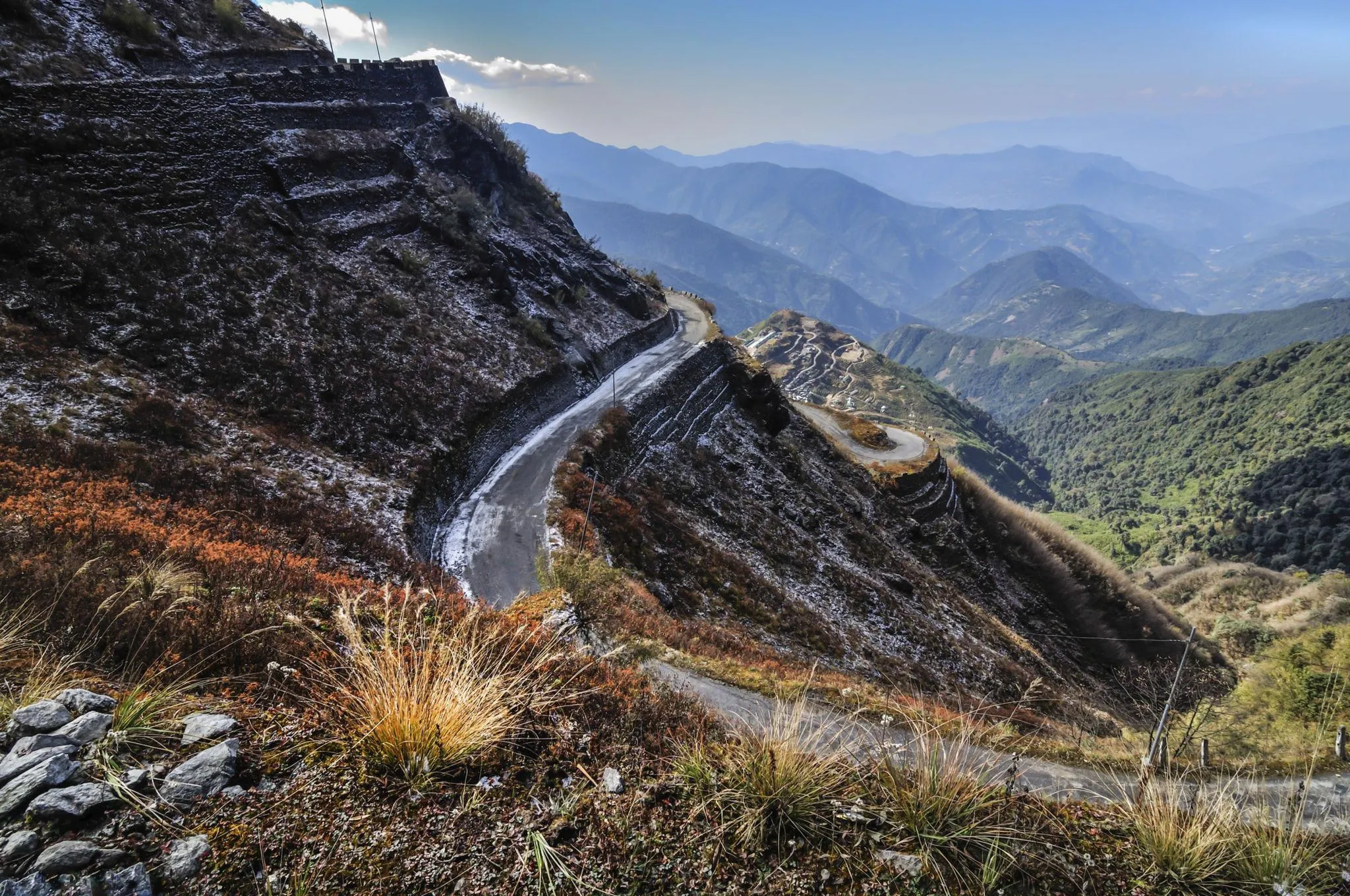 Zuluk attracts travelers looking for offbeat experiences. It lies on the historic Silk Route and offers dramatic mountain roads and scenic viewpoints.
The zig-zag roads leading to Zuluk provide one of the most unique driving experiences in India. From Thambi View Point, you can witness sunrise over the Himalayas.
Zuluk remains less commercial, which helps preserve its raw beauty. However, visitors must obtain permits, as the region falls under restricted areas.
This destination works best for photographers and adventure travelers who want to explore beyond mainstream places to visit in Sikkim.
13. Yuksom – Starting Point of Treks
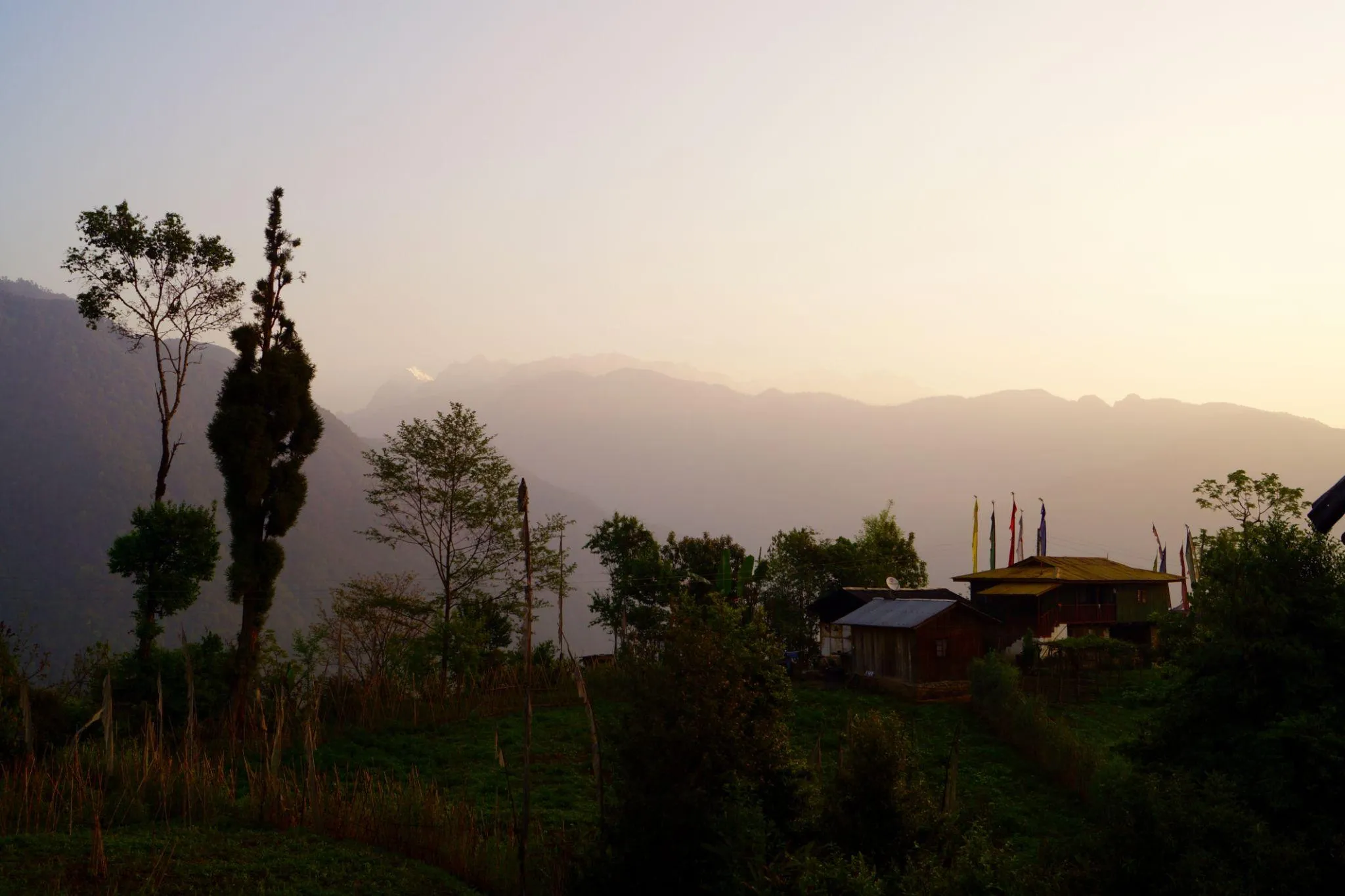 Yuksom holds historical importance as the first capital of Sikkim. It also serves as the base for the famous Goechala trek.
Surrounded by forests and mountains, Yuksom offers a calm environment. Visit Dubdi Monastery, one of the oldest monasteries in Sikkim.
Trekkers often begin multi-day expeditions from here, especially those aiming to get closer views of Kanchenjunga.
Even if you are not trekking, Yuksom provides a peaceful retreat away from crowded tourist circuits.
Cuisines of Sikkim – What to Eat
Food plays a key role in understanding local culture. The cuisines of Sikkim reflect Tibetan, Nepalese, and local traditions.
Popular Sikkim food includes:
Momos – Steamed dumplings filled with vegetables or meat
Thukpa – A warm noodle soup perfect for cold weather
Phagshapa – Pork cooked with radish and chilies
Gundruk – A traditional fermented food
Most restaurants in Gangtok serve these dishes fresh. Street food remains clean compared to many tourist destinations.
Sikkim Tour Packages – What to Expect
Most Sikkim tour packages follow a standard route:
Gangtok (2–3 days)
Tsomgo Lake & Nathula Pass (1 day)
North Sikkim – Lachung, Yumthang, Zero Point (2–3 days)
Pelling or Ravangla (1–2 days)
Travel agencies include permits, transport, and accommodation. Always check if your package covers North Sikkim since permits remain mandatory.
Travel Tips for First-Time Visitors
Carry valid ID proof for permits
Pack warm clothes throughout the year
Avoid plastic usage (strictly regulated)
Respect local culture and monasteries
Start early for high-altitude trips
Suggested 7-Day Sikkim Itinerary
Here’s a practical itinerary based on common travel routes:
Day 1–2: Gangtok
Local sightseeing
MG Marg, monasteries
Day 3: Tsomgo Lake & Nathula Pass
Day trip from Gangtok
Day 4–5: Lachung & Yumthang Valley
Visit Zero Point Sikkim
Day 6: Pelling or Ravangla
Relax and explore local attractions
Day 7: Departure
This structure matches most reliable Sikkim tour packages and balances travel time with sightseeing.
Permits & Travel Guidelines
Certain areas in Sikkim require permits due to border proximity.
Indian tourists: Need Inner Line Permit (ILP) for North Sikkim
Foreign tourists: Require Protected Area Permit (PAP)
Permits are arranged through registered travel agents
Always carry valid ID proof and passport-size photos.
Transport & Connectivity
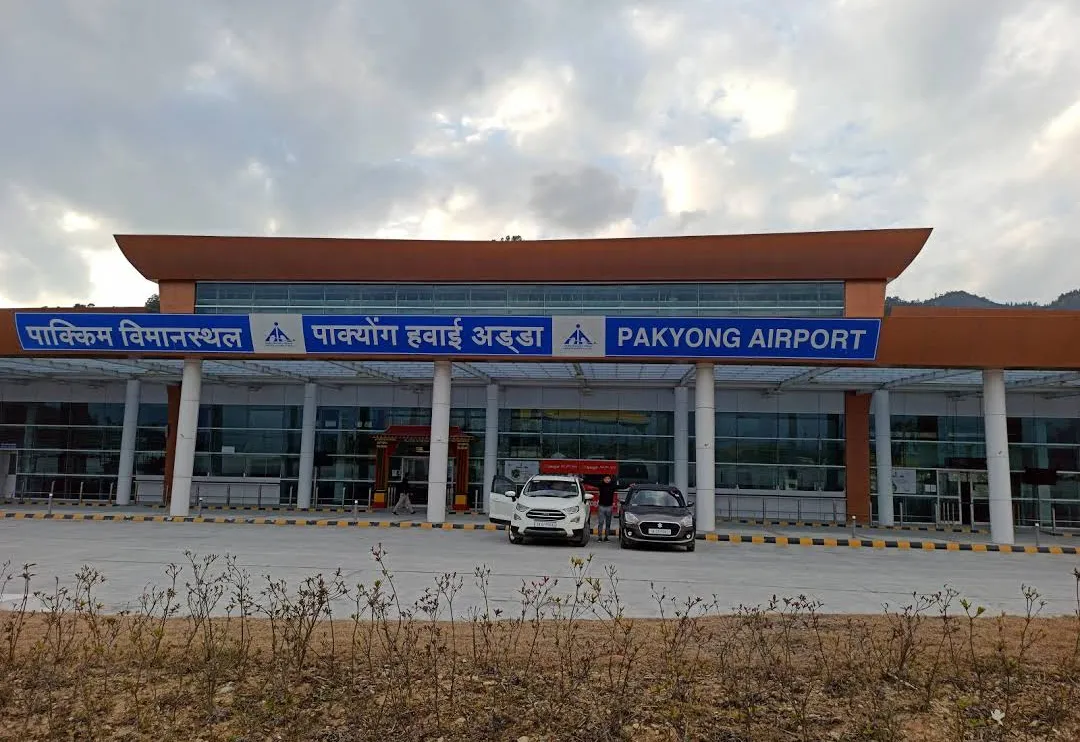
Nearest airport: Pakyong Airport
Alternative airport: Bagdogra Airport
Nearest railway station: New Jalpaiguri Railway Station
From these points, taxis connect to Gangtok and other regions.
Road travel remains the primary mode of transport inside Sikkim.
Responsible Travel in Sikkim
Sikkim promotes eco-tourism. Follow these practices:
Avoid plastic usage
Respect local traditions
Do not litter in natural areas
Support local businesses
Responsible travel helps preserve Sikkim’s fragile ecosystem.
Final Conclusion
Sikkim stands out for its balance between tourism and sustainability. It offers everything—from monasteries and valleys to high-altitude adventures like Zero Point Sikkim.
Whether you explore popular destinations or offbeat villages like Zuluk and Yuksom, the state delivers a clean, safe, and enriching travel experience.
With proper planning, the right best time to visit Sikkim, and well-structured Sikkim tour packages, you can cover the region comfortably without rushing.
FAQs – Places to Visit in Sikkim
1. How many days are enough for Sikkim?
6–8 days allow you to cover Gangtok, North Sikkim, and either Pelling or Ravangla.
2. Is Zero Point Sikkim safe to visit?
Yes, but weather and altitude require caution. Follow local guidelines.
3. What is the best time to visit Sikkim?
March–May and October–November offer the best conditions.
4. Is Sikkim expensive for tourists?
Costs depend on travel style, but standard packages remain affordable.